
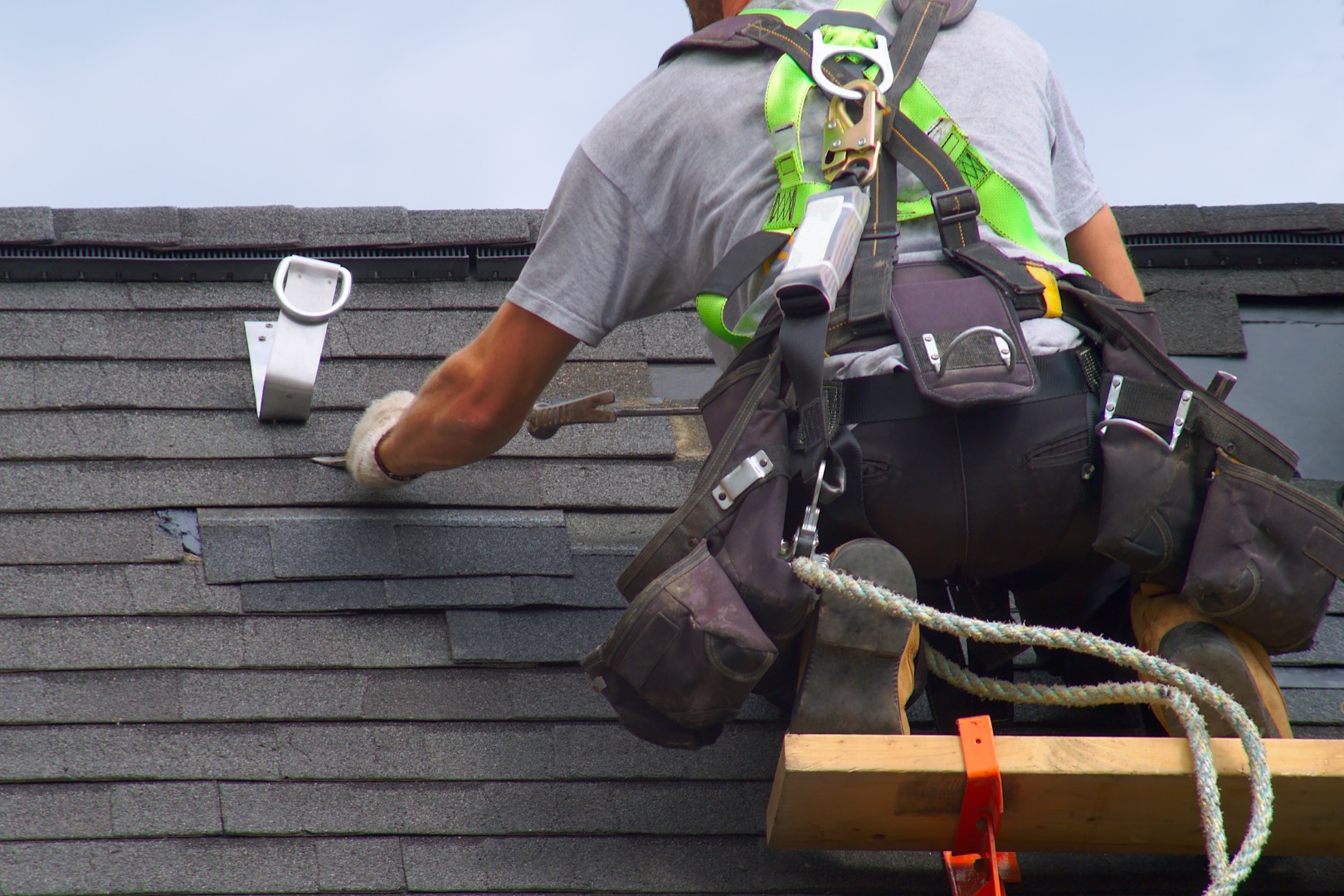
A sagging roof is something no homeowner wants to see, and it is often one of the clearest signs that something is not quite right with your property. Over the years working across Canterbury and the wider Kent area, we have been called out to many homes where customers have noticed a dip or uneven line in their roof and are understandably concerned about what it means. In some cases, the issue has developed slowly over time and gone unnoticed until it becomes more obvious, while in others it can appear quite suddenly following bad weather or prolonged periods of rain. At Coastal Guttering Ltd, we always advise taking any signs of a sagging roof seriously, as it can indicate underlying structural problems that need attention sooner rather than later.
What Does a Sagging Roof Actually Look Like
A sagging roof does not always mean a dramatic collapse or severe damage straight away. In many cases, it starts as a slight dip or uneven section along the roofline, which may only be noticeable when viewed from certain angles. You might see a section of the ridge line that appears lower than the rest, or an area where the tiles do not sit as evenly as they should. Inside the property, this can sometimes be reflected in a ceiling that looks slightly bowed or uneven.
We often find that homeowners are unsure whether what they are seeing is normal or something to be concerned about, but if your roofline no longer appears straight, it is always worth having it checked properly. Small changes in shape can be an early warning sign of a bigger issue developing beneath the surface.
Common Causes of a Sagging Roof
There are several reasons why a roof may begin to sag, and understanding the cause is key to determining how serious the problem is and what needs to be done to fix it. One of the most common causes we come across is prolonged exposure to moisture. When water is able to enter the roof structure, whether through damaged tiles, blocked gutters, or worn flashing, it can weaken the timber framework over time. As the wood absorbs moisture, it can begin to rot, losing its strength and leading to a gradual sagging effect.
Another common issue is the weight being placed on the roof. This can come from a build-up of debris, heavy moss growth, or even water pooling in certain areas if drainage is not working properly. In some cases, older roofs may simply begin to sag due to age, as the materials used in the structure naturally weaken over time. We also see instances where poor workmanship or inadequate support during construction leads to sagging later down the line, particularly in properties that have had previous repairs or extensions carried out.

The Role of Guttering in Roof Health
Guttering plays a much bigger role in roof condition than many people realise. When gutters become blocked, water is no longer directed away from the property effectively. Instead, it can overflow and run back towards the roof, increasing the risk of water ingress. Over time, this constant exposure to moisture can affect the timber structure beneath the tiles, contributing to sagging.
At Coastal Guttering Ltd, we often find that sagging roofs and guttering issues go hand in hand. A simple problem such as blocked gutters can lead to much more serious damage if it is not addressed, which is why regular gutter maintenance is such an important part of protecting your roof.
Is a Sagging Roof Dangerous
The level of danger associated with a sagging roof depends on the cause and severity of the issue, but it is never something that should be ignored. In the early stages, a slight sag may not pose an immediate risk, but it does indicate that something is weakening within the structure. Left untreated, this can worsen over time and potentially lead to more serious structural problems.
In more severe cases, a sagging roof can become unstable, particularly if the supporting timbers have been significantly weakened by rot or damage. This can increase the risk of sections of the roof failing, especially during periods of heavy rain, strong winds, or storms. We have attended properties where what started as a minor sag eventually led to major repair work, simply because the issue was not dealt with early enough.
Signs That the Problem Is Getting Worse
There are several warning signs that a sagging roof may be deteriorating and requires urgent attention. Cracks appearing in internal ceilings or walls can indicate that the structure is under stress. Doors or windows becoming difficult to open or close may also point to movement within the property.
Externally, you may notice tiles slipping out of place, gaps forming in the roof covering, or areas where water appears to be pooling. Any signs of damp or water ingress inside the property should also be taken seriously, as this often indicates that the roof is no longer providing adequate protection.
From our experience across Kent, these signs rarely resolve themselves and will usually worsen if left unchecked, making early intervention the best approach.
How We Assess a Sagging Roof
When we are called out to inspect a sagging roof, the first step is always a thorough assessment of the structure. This involves looking at both the external condition of the roof and the internal framework where possible. We check for signs of water damage, rot, weakened timbers, and any issues with the roof covering itself.
We also assess the guttering and drainage around the property, as these can often contribute to the problem. By identifying the root cause, we can recommend the most appropriate solution, whether that involves repairs to the structure, replacement of damaged materials, or improvements to the drainage system.
Our aim is always to provide clear, honest advice so that homeowners understand exactly what is happening and what needs to be done to resolve it.
Repairing a Sagging Roof
The approach to repairing a sagging roof will depend on the severity of the issue. In some cases, it may be possible to reinforce the existing structure by replacing or strengthening affected timbers. If the damage is more extensive, sections of the roof may need to be rebuilt to restore its integrity.
We always aim to carry out repairs in a way that not only fixes the immediate problem but also prevents it from returning. This may involve addressing underlying issues such as poor drainage or damaged guttering, ensuring that the roof is properly protected moving forward.
For homeowners in Canterbury and the surrounding areas, dealing with the problem early can often reduce the extent of the work required and help to keep costs under control.
Preventing Roof Sagging in the Future
While not all causes of roof sagging can be avoided, regular maintenance plays a crucial role in preventing many of the issues that lead to it. Keeping gutters clear and in good condition helps to ensure that water is directed away from the roof effectively. Regular inspections can also help to identify minor problems before they develop into more serious concerns.
We always advise homeowners to keep an eye on their roof, particularly after periods of heavy rain or storms, as this is when damage is most likely to occur. Addressing small issues early can make a significant difference in maintaining the overall condition of the roof and avoiding more extensive repairs later on.
When to Call in a Professional
If you have noticed any signs of sagging, it is always best to have your roof inspected by a professional as soon as possible. Even if the issue appears minor, it is important to understand what is causing it and whether it is likely to worsen.At Coastal Guttering Ltd, we work with homeowners across Kent to identify and resolve roofing issues before they develop into more serious problems, offering everything from targeted repairs through to full new roof installations where required. A sagging roof is not something to ignore, and getting the right advice early can help to protect your property, extend the lifespan of your roof, and give you complete peace of mind that everything is safe and secure.