
A leaking roof or a scattering of broken tiles can raise an expensive question: will a repair solve the problem, or is it time to replace the covering? It is a decision that deserves more than a guess based on the roof’s age or how it looks from the pavement. The right approach depends on its condition and the extent of the defects.
For Canterbury homeowners, a clear assessment can make the options easier to understand. A relatively small repair may be sensible where the surrounding roof remains sound, while wider deterioration can change the calculation. Speaking to a local roofing company in Canterbury gives you an opportunity to discuss the evidence before committing to a particular scope of work.
Start with the Cause of the Problem
The first step is to establish why the roof is causing concern. A damp ceiling could result from a local fault at a chimney junction, a displaced tile or a problem with an adjoining flat roof. These issues can require very different solutions. A replacement should not be recommended simply because a stain has appeared indoors.
Ask what has been inspected and whether the apparent defect explains the symptoms. If the problem has returned after previous work, the inspection should consider whether the original diagnosis was correct. A sound decision starts with understanding the failure, then checking how much of the roof is affected. Otherwise, a homeowner may pay for work that leaves the actual cause untouched.
When a Targeted Repair Can Be Sensible
Repair is worth considering where damage is limited and surrounding materials remain serviceable. Replacing a broken tile, correcting a defective flashing detail or repairing a small area may restore protection without renewing the whole covering. The important point is that the proposed work must be suitable for the existing roof and address the reason the problem developed.
A repair also needs enough sound material around it to form a reliable result. For example, replacing one damaged component may offer little benefit if neighbouring components are failing in the same way. Our roof repair service allows defects to be assessed individually, with advice based on the condition found rather than an automatic assumption that every problem needs a new roof.
When Wider Renewal Deserves Consideration
Replacement becomes more relevant when defects are spread across the roof or repeated repairs offer limited improvement. Several unrelated leak points, widespread deterioration in the covering or failing fixings can indicate that isolated work will leave other weaknesses in place. The inspection should explain the extent of that deterioration and why a smaller scope would be insufficient.
This does not mean every old roof is beyond repair. Some coverings remain useful for a long time, while individual components need attention earlier. Ask whether replacement means the whole roof, one slope or a separate extension covering. Defining the area affected helps you assess the recommendation and prevents a vague description from obscuring what the contractor actually proposes to renew.
The Roof Covering and Supporting Structure Are Different
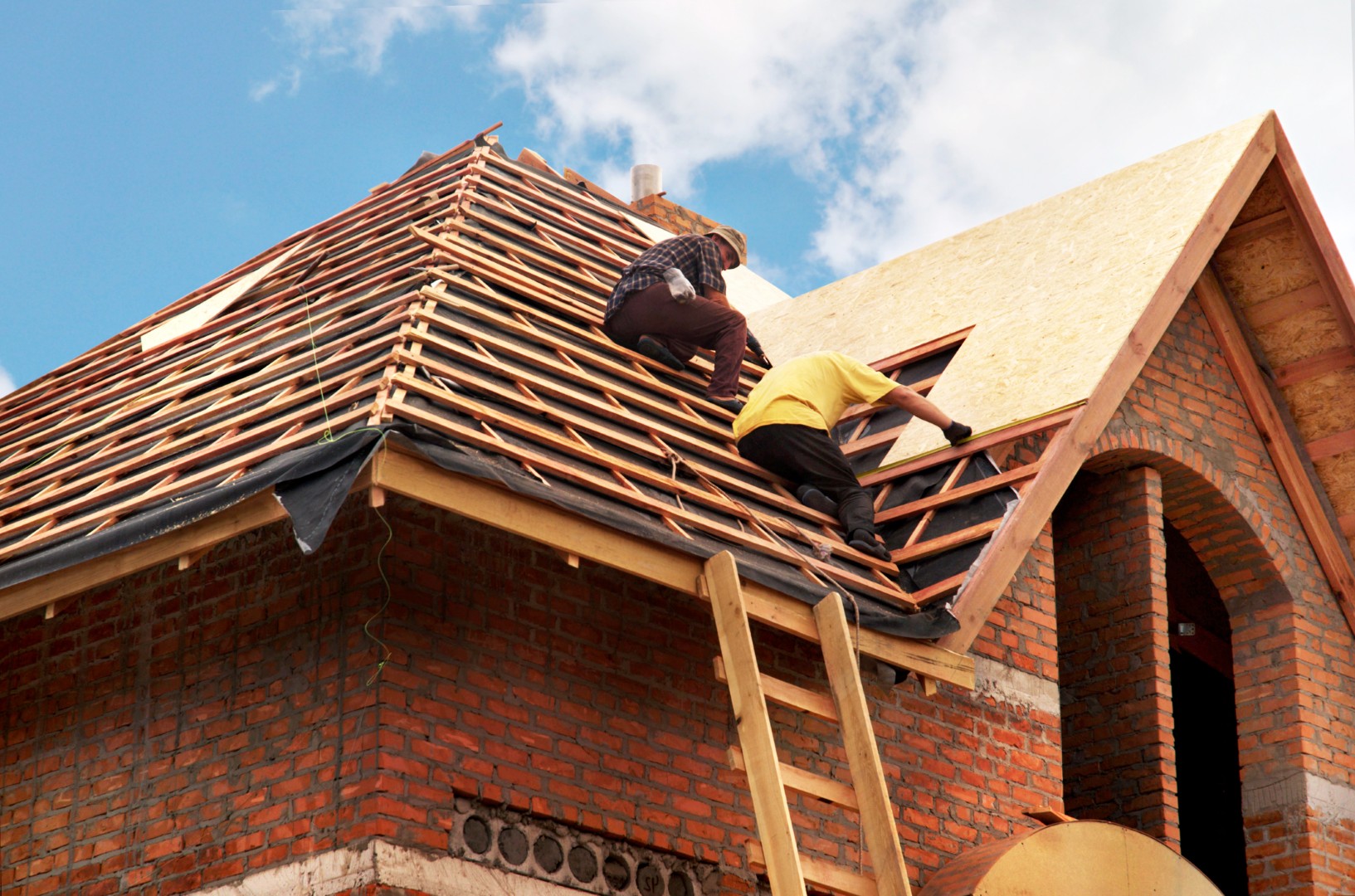
Replacing tiles or slates is not necessarily the same as rebuilding the roof structure. The covering, battens, underlay and supporting timbers perform different roles, and their condition may vary. A proposal should make clear which elements are being retained, which will be replaced and whether further assessment is needed before deciding on structural work.
Some concealed defects only become apparent when the existing covering is removed. Discuss how unexpected findings will be photographed, explained and priced before additional work proceeds. Where there are concerns about structural condition, a suitably qualified surveyor or engineer may be needed. This gives you a clearer understanding of the project and avoids treating every re-roofing job as though it involves identical work.
Check Whether the Fault Is in the Roofline
Water problems around the edge of a roof can involve guttering, outlets or the boards beneath the eaves. A leaking gutter joint is a different defect from widespread tile failure. Before deciding on replacement, it is useful to establish whether roofline repairs would address the concern and whether the main covering is still functioning as intended.
Loose boards, damaged fittings and repeated overflow should also be considered when planning wider work. Coastal Guttering’s fascias and soffits service supports assessment of these connected areas. If access is already being arranged for roofing, ask whether related defects should be addressed at the same time. The answer should reflect their condition, rather than adding replacement items without an identified need.
Compare Written Proposals on the Same Basis
Comparing a small repair with a replacement quote requires understanding what each option achieves. A repair may deal with the immediate defect while leaving other ageing components in service. A replacement may renew more of the system, but its value depends on a clear specification and suitable installation. The headline price alone cannot explain that difference.
Ask for the scope, proposed materials, access arrangements, waste removal and relevant finishing details in writing. The NFRC’s advice on choosing a roofing contractor recommends written quotations and considering the quality of advice alongside price. It also notes that refurbishment estimates can change when concealed areas are exposed. Understanding these points makes quotations easier to compare and helps you discuss possible additional work before the project starts.
Consider Previous Repairs and Future Maintenance
A record of previous repairs can reveal whether you are managing occasional damage or dealing with a recurring problem. Keep invoices, photographs and descriptions of the areas treated. Repeated work in the same place may suggest an unresolved detail, whereas new defects appearing across different parts of the roof can point towards a broader condition issue.
However, several invoices do not prove that replacement is always better value. Compare what a properly specified repair would achieve with the extent of renewal proposed. Ask which defects would remain and what maintenance each option would still require. A new covering also needs attention to its drainage and exposed details, so replacement should not be presented as removing every future maintenance responsibility.
Older Canterbury Properties Need Careful Material Choices
For an older Canterbury home, the roof can contribute significantly to the building’s appearance. Material choice, tile profile and detailing deserve consideration alongside weather protection. A roof that looks different after work may affect more than its kerb appeal, particularly where the property has heritage protection or forms part of a sensitive streetscape.
Historic England’s advice on repairing or renewing older roofs recommends checking whether the existing covering is repairable before replacement. It also highlights the value of retaining historic features. Where a building is listed or lies in a conservation area, check the proposed work with Canterbury City Council before starting. Permission requirements depend on the property and the changes, so they need individual consideration.
Factor Building Regulations into Replacement Plans
Planning permission and Building Regulations approval are separate considerations. A roof replacement can involve requirements relating to structural performance and energy efficiency, even where planning permission is not needed. Changing the covering material can also change the loads on the structure, which should be assessed rather than assumed to be acceptable.
The Planning Portal’s guidance on re-roofing explains that roof replacement will need Building Regulations approval in most situations. Ask your contractor how the applicable requirements will be addressed and what documentation you should receive. Discuss insulation and ventilation together as part of the roof design, so improvements to one element do not overlook the performance of the wider construction.
Apply the Same Reasoning to a Flat Roof
A flat roof should also be judged on the extent of the defect and the condition of the surrounding system. A limited problem at a joint may be repairable where the covering and deck remain sound. Widespread surface deterioration, repeated leaks or damage beneath the waterproof layer can justify considering more substantial work.
Ask whether a proposed patch addresses the cause or simply covers the point where water appears to enter. Drainage, junctions and supporting materials all influence the result. If replacement is recommended, the proposal should explain how those features will be dealt with. The decision is more useful when it describes the condition of your actual roof, rather than offering a standard lifespan as the only reason to replace it.
Plan the Work Around Your Home
Before agreeing a proposed start date, discuss how access and weather protection will be managed while the roof is open. Ask which parts of the garden, driveway or entrances will be needed, and whether scaffolding could affect adjoining property. For an occupied Canterbury home, clear arrangements help you plan daily routines and explain the work to neighbours. Confirm who will communicate any changes to the schedule, how waste will be removed and what happens if unsuitable weather interrupts the project. These details make the proposal easier to assess alongside its specification and price.
Get Clear Advice on Your Canterbury Roof
The choice between repair and replacement should leave you understanding what is wrong, which areas are affected and why the proposed work is appropriate. Take time to review the findings and ask for clarification where the scope is unclear. That evidence is more useful than a recommendation based only on age, appearance or a generic price.
Coastal Guttering can help homeowners assess roofing problems and discuss suitable repairs or new roof installations. Whether you are dealing with one damaged area or considering a wider renewal, our team can explain the available options for your property. Request a free, no-obligation quote for roofing work in Canterbury and the surrounding area.