
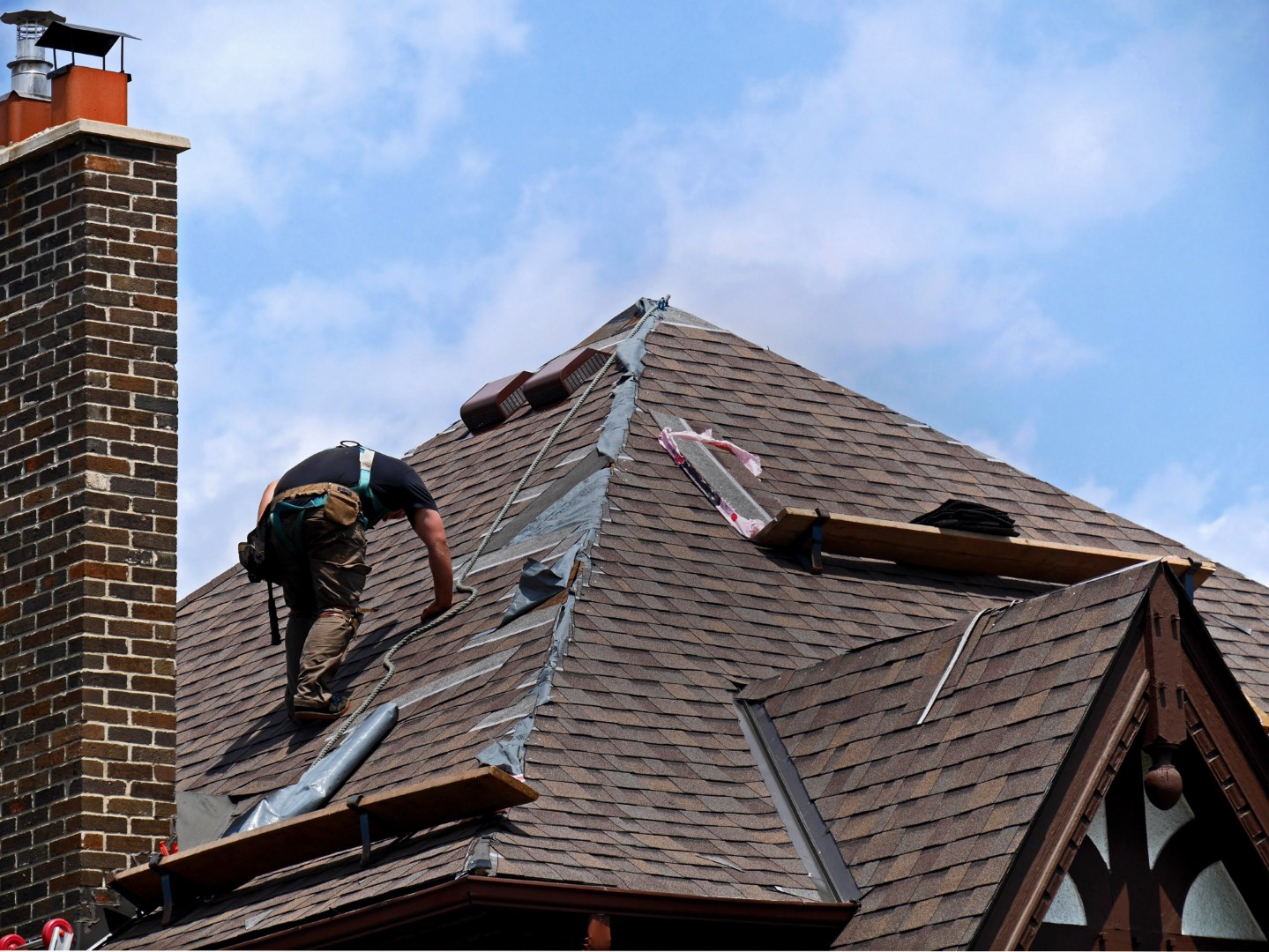
A roof that stays dry through light showers but leaks during a downpour can leave homeowners unsure about what needs repairing. The ceiling stain may disappear between storms, and the roof can look perfectly ordinary from the garden. However, an intermittent leak still deserves attention because the next spell of wet weather may allow more water into the building.
For homeowners in Canterbury, the useful question is what changes when the rain becomes heavier. Rainfall intensity, wind direction, drainage and the condition of individual roof details can all influence when a fault becomes visible. Getting advice from experienced roofers in Canterbury helps establish the cause and gives you a clearer basis for deciding what work is needed.
Why Heavy Rain Can Reveal a Hidden Roof Fault
During a downpour, a roof must shed a greater volume of water than it does during a light shower. A small opening or drainage restriction that goes unnoticed in ordinary conditions may become apparent when water reaches it more quickly. This does not necessarily mean that the whole covering has failed, but it does mean that part of the system needs closer investigation.
Wind can also change how rain reaches the roof. Water driven towards a vulnerable junction may enter where vertically falling rain does not. Manufacturer Marley’s guidance on resistance to rain explains that rainfall rate, wind speed and tile performance all influence rain penetration. Recording whether the leak occurs with strong winds can therefore provide a useful clue.
The Position of a Ceiling Stain Is Only a Starting Point
It is tempting to assume that a mark on the bedroom ceiling points directly to a broken tile above it. In practice, moisture can follow parts of the roof construction before becoming visible indoors. The entry point and the point where water drips may be different, which is why replacing the nearest tile without investigating can leave the original problem unresolved.
Take photographs of the stain and record when it changes. Note whether dripping starts immediately, after prolonged rainfall or only when the wind comes from a particular direction. This information gives the roofer a useful account of the problem, especially if the inspection takes place in dry weather. It also helps distinguish a recurring fault from an old mark that has already dried out.
Slipped Tiles and Defective Roof Details
Cracked, missing or displaced tiles can interrupt the way a pitched roof sheds water. From ground level, you might notice an uneven row, a visible gap or pieces of tile below the eaves. However, some defects are difficult to see without suitable access, and an apparently tidy roof can still have a problem at a junction or beneath the covering.
The roof’s design matters too. Tiles need to suit the slope on which they are installed, with appropriate overlaps and detailing. A persistent leak on an extension may warrant checking these features rather than repeatedly replacing individual tiles. A repair should respond to the actual defect, using compatible materials and suitable fixing methods, rather than relying on a surface treatment that conceals the issue.
Flashing and Chimney Junctions Need Attention
Flashing weatherproofs the junction where a roof meets another surface, such as a chimney or wall. If that detail is split, displaced or poorly formed, rain can find a route past the main covering. The surrounding tiles may remain sound, which explains why a leak can occur even when there is no obvious gap in the roof.
A damp patch near a chimney breast makes this area worth investigating, but it does not prove that flashing is the only cause. The chimney masonry and other exposed details may also need checking. Coastal Guttering provides chimney repairs where defects in the stack or its connection to the roof require attention. Identifying the affected component helps avoid unnecessary work elsewhere.
Roof Valleys and Drainage Can Concentrate Water
A valley is the channel formed where two roof slopes meet, and it carries runoff from the adjoining surfaces. Debris or a defect in this area can interfere with that route. Because water is concentrated here, a fault may become especially noticeable during prolonged or intense rain, even if nearby sections of the roof are performing properly.
Gutters and downpipes also need to discharge water effectively. Watch from a safe position for repeated overflow at a corner, outlet or particular section. Historic England’s guidance on rainwater systems notes that insufficient capacity or unsuitable detailing may require improvements where drainage is overwhelmed. Where damaged fittings or poor alignment are involved, guttering repairs can form part of the solution.
Flat Roof Leaks Require a Different Assessment
On a flat roof over a garage or extension, the investigation focuses on the waterproof covering, joints, edges and outlets. A damaged seam or junction can admit water even when much of the surface looks intact. Persistent standing water also deserves assessment, although its presence alone does not establish where a leak starts or whether the entire roof needs replacing.
The condition beneath the surface is important when deciding how to repair it. Covering a defect without establishing whether the supporting deck is sound may offer limited value. Our flat roofing services include repairs and replacement advice, allowing the recommendation to reflect the roof’s construction and condition. The aim is to understand both the leak and the surrounding system.
Could the Moisture Be Condensation?
Not every damp mark beneath a roof is caused by rain getting through the covering. Condensation can develop when moisture from the home reaches cold surfaces in the roof space. It may produce droplets or dampness that are mistaken for a leak. An apparent connection with wet weather is useful evidence, but it is not a complete diagnosis on its own.
A roofer may need to consider ventilation, insulation placement and the type of underlay alongside external defects. Marley’s guidance on pitched roof condensation highlights the importance of assessing these features together. If condensation is responsible, replacing sound tiles will not address the cause. Equally, assuming every damp roof space needs extra ventilation can overlook an external leak that still requires repair.
What You Can Do Before the Inspection
Keep observations at ground level and take indoor photographs only where it is safe. Moving belongings away from a damp area can limit damage, but avoid rooms where the ceiling is bulging or materials appear unstable. Do not climb onto a wet roof, walk across a garage covering or attempt to reach damaged flashing during windy conditions.
The Health and Safety Executive explains that roofs can contain fragile surfaces and that even short maintenance tasks require proper precautions. A roof’s appearance does not establish whether it will support someone safely. Give the contractor your photographs, describe the timing of the leak and mention any previous repairs. These details can help them plan the assessment without putting you at risk.
What a Useful Roof Inspection Should Establish
A useful inspection should connect the indoor symptoms with the condition of the roof and its drainage. Ask the roofer to explain the likely entry point, what evidence supports that diagnosis and whether surrounding components are still serviceable. Photographs can help make the recommendation understandable, particularly when the defect is in an area you cannot see from below.
For a Canterbury terrace, access to the rear slope may require different arrangements from a detached home with space around it. Share details of restricted entrances, extensions and adjoining buildings when booking. The proposed roof repairs should identify the work needed and explain any limits to the initial assessment, including areas that cannot be checked until materials are lifted.
Consider the Whole Property Layout
Homes in central Canterbury may have several roof areas built at different times. A rear extension, porch or altered chimney can introduce junctions that need separate attention from the main slope. Tell the roofer if the damp appeared after building work or if water seems to arrive where an older roof meets a newer section. This history can help focus the investigation without assuming that the newest or oldest part must be responsible.
Properties in nearby Whitstable and Herne Bay should also be assessed according to their individual surroundings. Shelter from adjoining buildings, an open position and the shape of the roof can affect exposure. The relevant issue is how your particular building handles rainfall, rather than a general assumption about every property in the area.
After work is completed, keep the dated inspection photographs, description of the repair and any relevant paperwork. If the stain returns, record the conditions and contact the contractor with that information. Ask when internal finishes can be assessed for drying and repair, so decorating does not hide a damp area before the roofing problem has been resolved and the affected materials have dried adequately.
Arrange Help for a Recurring Roof Leak in Canterbury
A leak that appears only in heavy rain is still a reason to investigate. Waiting for it to become constant can allow repeated wetting of ceilings, insulation and other materials. The best next step is an assessment that explains the fault and the options for putting it right, with a recommendation proportionate to the condition of the roof.
Coastal Guttering provides roofing, guttering and roofline services for Canterbury and surrounding areas, including Whitstable and Herne Bay. Whether the problem involves a small defect, chimney junction or flat roof, we can discuss your concerns and advise on suitable work. Arrange a free, no-obligation quote and take the next step towards resolving the leak.